
Seed Displays and Catalogs Are Here
- Diana Pierce
- Jan 14
- 4 min read
6 Smart Steps Northern Gardeners Need to Know Before Ordering
by Diana Pierce, January 14, 2026

January is when the seeds displays go up and seed catalogs start arriving.
I don’t know about you but I get that familiar feeling of wanting everything.
If winter feels endless and this wall of seed packets suddenly looks like hope, you are not alone. Before you start circling everything in the catalogs, I talked with Master Gardener Don Smith of the Minnesota Horticultural Society about how northern gardeners can make smart, simple seed choices and avoid some very common mistakes.
1. Start With the Right Seed Catalogs and Packets
Don’s first tip is surprisingly simple: choose seed companies that understand our climate.

He looks for catalogs based in Minnesota, Wisconsin, or similar northern regions. His favorite is Johnny’s Selected Seeds of Maine because of the detailed growing information they provide and not just pretty pictures.
“Jung, Gurney’s, and Burpee also have very good seed catalogs,” Don says. “But I really like the information I can get from Johnny’s Seeds.”
Johnny’s even has a resource link for best herbs to grow in porch pots—perfect for container gardeners. Burpee has a link for container flowers.
2. Do You Need to Worry About Zones?
For annual flowers and vegetables, zone ratings aren’t as critical as many gardeners think. Those plants are meant to grow, bloom, and finish in one season.
Zones do matter for perennials, trees, and shrubs. When possible, choose seeds bred or tested in zones similar to ours. According to Don, that’s roughly Zones 3–5.
3. How to Read a Seed Packet Without Feeling Overwhelmed

Seed packets can feel like they’re written in code. Don suggests starting with one key question: Where is this plant going to live?
In the ground
In a raised bed
In a container or pot
Then look closely at mature height, growth habit (compact vs. sprawling), and days to maturity.
A six-foot tomato can grow in a container. However, it takes planning, staking, and patience. Compact or determinant varieties are much easier for decks and patios.
Don gardens with kids and raised beds, so he looks for determinate tomatoes (3 to 5 feet tall) and early varieties that mature in 50–60 days. He also uses specialty catalogs. Some that sell only tomatoes or only onions because they allow him to filter by plant height, fruit size, and maturity date.
Think of it as building a garden plan, not just shopping.
4. Why January Is the Right Time to Order Seeds
Two big reasons:
Seeds ship and store well in cold weather
Popular varieties sell out early
Waiting until March or April can mean the tomatoes or flowers you really wanted are already backordered.
5. Easy Flowers That Almost Always Work

For beginners—and especially for kids—Don recommends:
Zinnias
Marigolds (great for seed saving later)
Nasturtiums
They’re forgiving, fast-growing, and rewarding. Exactly what early gardeners need.
For pollinator favorites like salvia (which I grow), Don suggests buying plants at garden centers so you can see the flower color and choose compact varieties that won’t need staking later in the season.
6. The Biggest Beginner Mistakes
Don sees the same issues every year:
Planting too much, too fast
Letting containers dry out
Using pots without drainage
Containers dry out quickly—especially in wind and heat. Daily watering is often necessary, and sometimes twice a day during hot spells.
Two Tips Worth Knowing
Light matters more than you think.
Don uses inexpensive LED shop lights, not fancy grow lights. Window light usually isn’t enough or consistent enough for strong seedlings. Good seed starting comes down to three things: light, moisture, and warmth.
Wool pellets help containers hold moisture.
This tip was my biggest surprise- Wool pellets mixed directly into potting soil. Wool pellets retain water better than coco fiber and reduce how often containers need watering. They’re available at some garden centers—and like seeds, they can sell out before planting season hits.
Note: Because of Don’s tip, I have now ordered Wool Pellets. I’ll let you know in the future how they do.
And here’s another great source of answers to your questions: The Northern Gardener Tool Shed
One Last Thought
When I asked Don his favorite thing to grow, his answer came instantly: tomatoes.
“There’s nothing better than a fresh tomato.”
My Nana and brother were tomato people, too. But me? For the last three years, it’s been all about salvia and the pollinators.

What’s YOUR first seed order this year—old favorite or new love?
Let me know and let’s share info for this community.
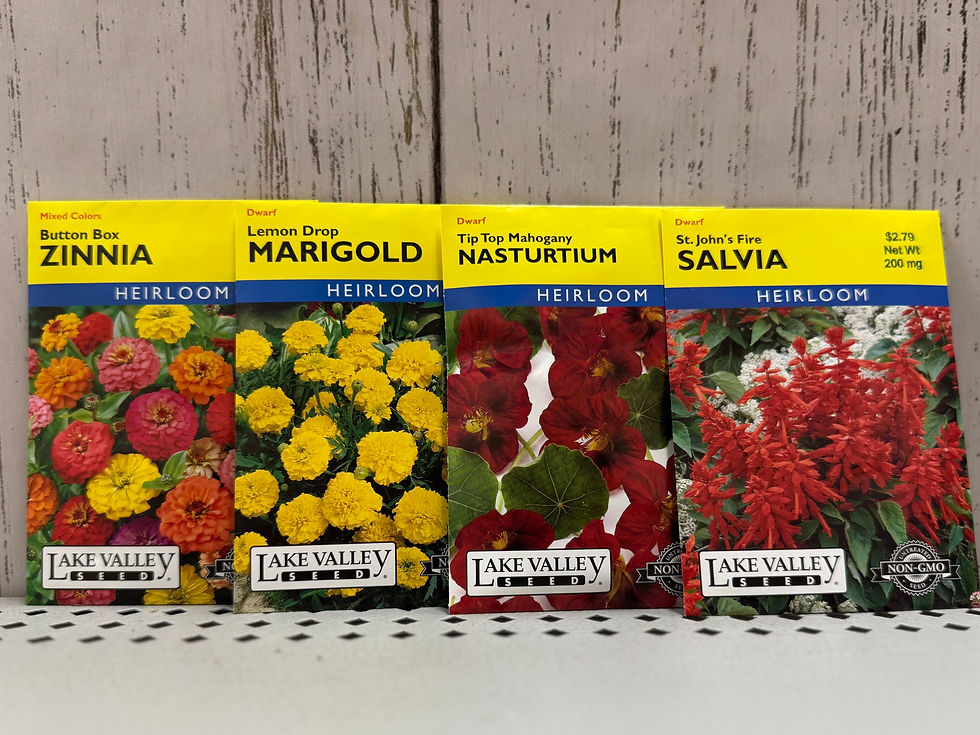
Here is a pic of my seed packets bought in hopes of growing indoors and planting outside when warm weather arrives. Wish me luck!
Diana

Comments